Palace, Armani, Mercedes-Benz, Bugatti: in Dubai, homes with a logo on the door are now a market of their own, among the largest anywhere. I have worked in ultra-luxury for many years and the question never changes: “Is the name really worth the money?” The honest answer is sometimes yes, sometimes no. And now that the market has cooled, the gap between the two is much easier to see.
What the premium looks like in numbers
Estimates vary because the measurements differ. Morgan’s International Realty’s report on the first half of 2026, as covered by Khaleej Times, puts branded homes at an average of AED 3,662 per square foot against AED 2,354 for non-branded: a 56% premium, compared with roughly 30-35% globally. Savills puts the typical premium at 33%, a figure that predates the conflict.
Why the gap? Averages blend different areas and products, and a beachfront branded tower set against a suburban flat tells you very little. The number that matters is the premium over a truly comparable building in the same micro-location.
What changed in 2026
Supply is huge. At the end of June there were 64,744 units across 183 developments, about 42,800 of them still under construction. Meanwhile, first-half sales fell in both volume and value year on year. So around two thirds of that stock has yet to be delivered, and anyone reselling in the coming years will have plenty of competition.
An AGBI analysis of Dubai Land Department data adds a useful layer. Across 12 branded projects it reviewed, price per square foot rose in nine, by just under 4% on average, yet transactions fell in those same buildings. Part of that is mechanical, since most units sell at launch, but buyers have also become more selective. AGBI also reported two resales at a loss during the conflict, one of them severe. These are individual cases, not the rule, but they are a reminder that a logo alone does not protect your price.
Operator brand or licensing deal
This is the distinction I care about most, and few people make it. On one side are hospitality brands, where an operator brings service standards you live with every day: concierge, maintenance, well-run common areas. On the other are fashion, car or sports licences, where the brand may stop at design and marketing. The second kind is not automatically wrong, but you are paying for something different.
Concentration matters as well. According to Morgan’s, the top five communities account for about 59% of transactions, and Binghatti City, a project I follow, recorded 1,216 deals alone. It offers an accessible entry ticket, but in a community that size the tower, floor and layout count for more than the badge.
How I assess one: my checklist
When a client brings me a branded project, these checks come before any talk of finishes:
- Who actually runs the building, for how long, and what happens if the brand agreement ends.
- The premium per square foot against two or three comparable buildings nearby, not against the Dubai average.
- Projected service charges, because more services nearly always mean higher annual costs and a lower net yield.
- How many similar units will reach the same area around your handover date.
- The developer’s record on delivery and the real quality of its finished buildings.
Then comes a simple sum: pay 30% more and your net rent has to be 30% higher just to hold the same yield, after those higher service charges. Often it is not. So I always separate two cases with clients. If you are buying to live in it or for the pleasure of owning it, a premium can make sense even without a financial payoff. If you are buying for yield alone, the numbers have to justify it. Our calculators are a good place to run a first pass.
When the premium makes sense
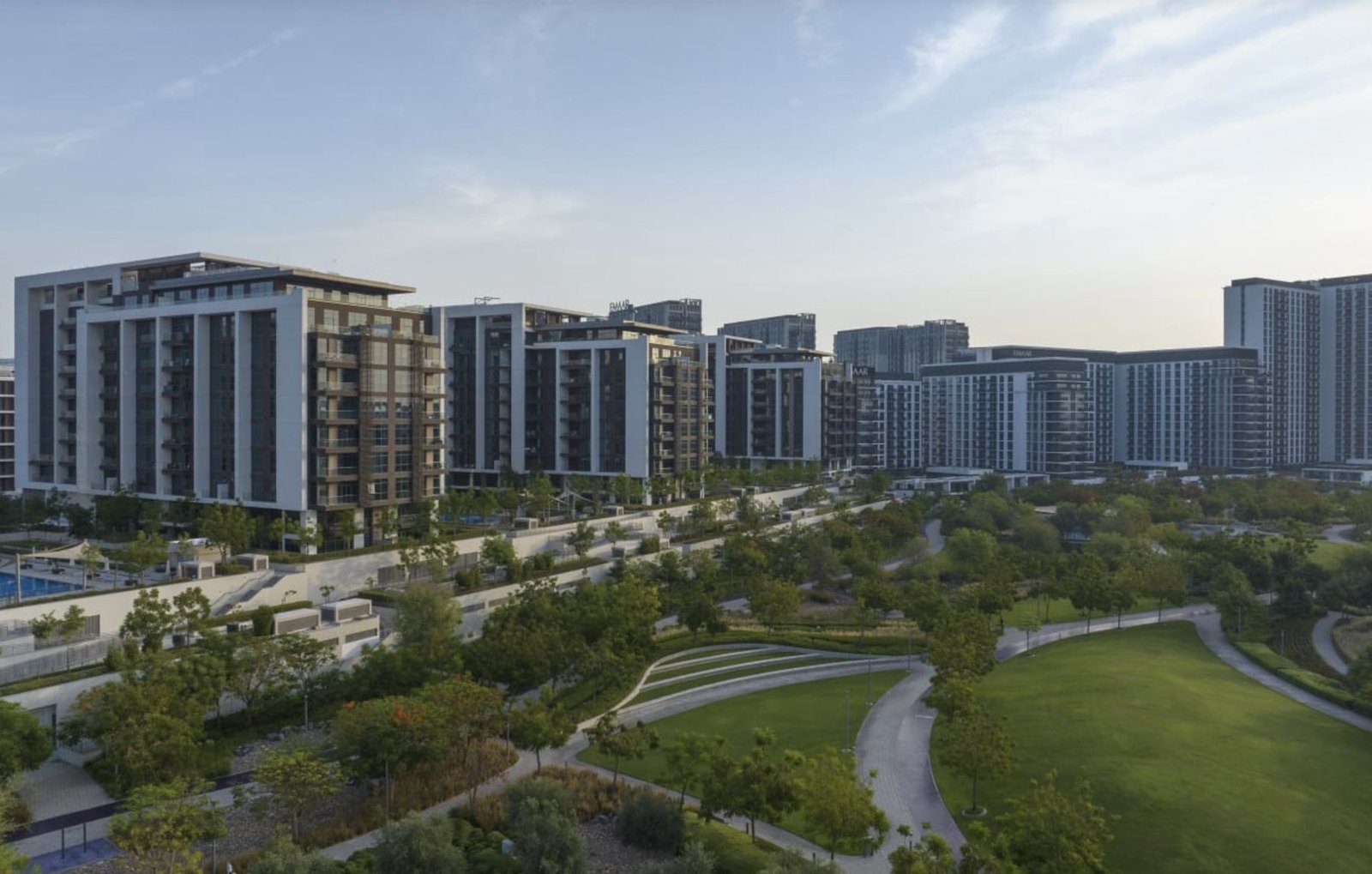
In my experience it holds up best when several things line up: a location that is hard to replicate, serious management, a strong developer and a limited number of units. That is why I follow Palace Residences Hillside B by Emaar, a Palace-branded tower facing a park in Dubai Hills Estate. I have a stake in that view, so take the example for what it is: I run the same comparisons and ask the same questions there too. The other schemes I follow, branded and not, are on my projects page.
My view in short: a brand can add value, but it does not replace location, quality and entry price. The sharpest buyers today think this way, and in a more selective market that is a sound way to think.
Weighing up a branded residence and want an honest comparison with the alternatives nearby? Book a private call or message me on WhatsApp.